Japan’s New Year period—Oshōgatsu—is one of the most meaningful times of the year. Unlike the loud, countdown-focused celebrations in many countries, Japan’s New Year is quiet, spiritual, and centered on purification, family, and renewal. Travelers visiting during this season can witness traditions that date back centuries and experience a rare blend of reflection, hope, and festivity.
Below is an expanded, in-depth guide to help you understand not just what happens, but why it happens and how to get the most from your visit.
New Year’s Eve (Omisoka)
Joya no Kane (New Year’s Eve Bell Ringing)
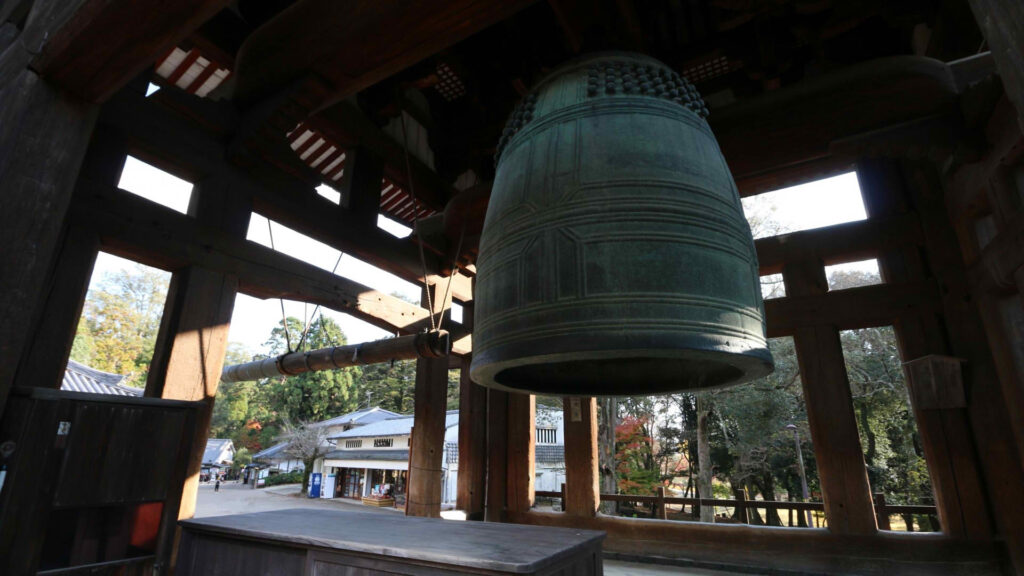
On the night of December 31st, temples across Japan perform Joya no Kane, a ritual in which a large temple bell is struck 108 times.
This number represents the 108 earthly desires (煩悩 / bonnō) that cause human suffering according to Buddhist belief. Each toll of the bell symbolizes the cleansing of one desire, allowing people to enter the New Year purified.
What Travelers Should Know
- Timing: Bells usually begin ringing shortly before midnight, continuing into the first minutes of January 1st.
- Where to Experience It: Large temples like Zenkoji (Nagano), Chion-in (Kyoto), and Zojoji (Tokyo) attract huge crowds, while local temples offer a quieter atmosphere.
- Can You Ring the Bell?
- Some temples allow visitors to strike the bell (often requiring a ticket or early arrival).
- Others restrict the ritual to monks.
- Check the temple’s website or signage.
Traveler Tip:
Arrive at least 1–2 hours early at popular temples. Dress warmly—late December nights can be extremely cold, especially in Kyoto and northern Japan.
Toshikoshi Soba (Year-Crossing Noodles)
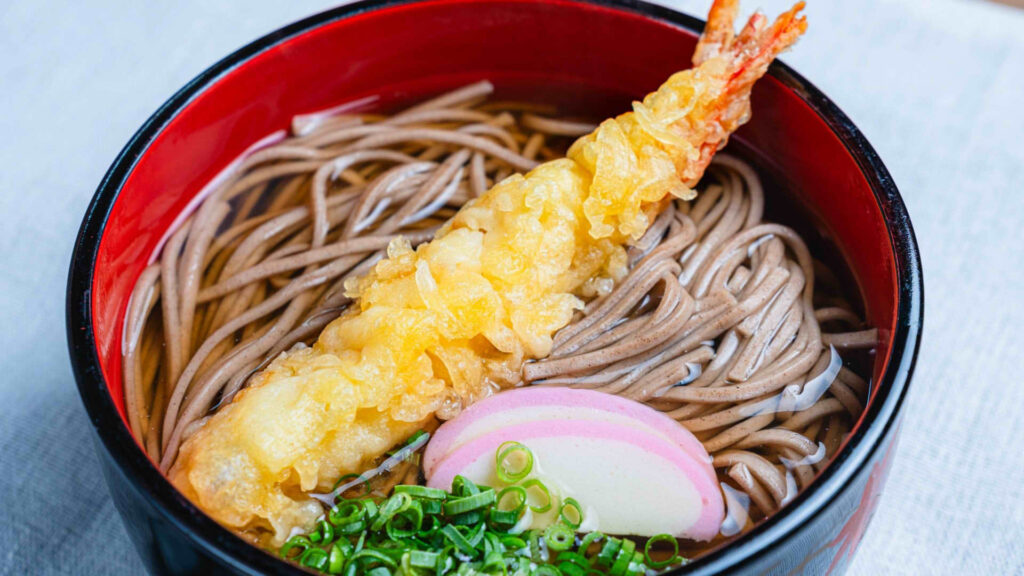
Eating soba on New Year’s Eve is a simple yet meaningful tradition. The long, thin noodles represent:
- Longevity
- Letting go of hardships (soba breaks easily, symbolizing a clean break from the past)
Ways to Experience It
- At Home: Many Japanese families prepare it just before midnight.
- At Restaurants: Traditional soba shops offer special toshikoshi bowls, often with tempura or duck.
- Ekisoba (station soba stalls): Perfect for a quick, authentic experience while traveling.
Traveler Tip:
Restaurants can close early on Dec 31. If you want to dine out, check hours in advance or grab ready-made soba from convenience stores or department store food halls.
New Year’s Day and Following Days
Hatsumode (First Shrine Visit)
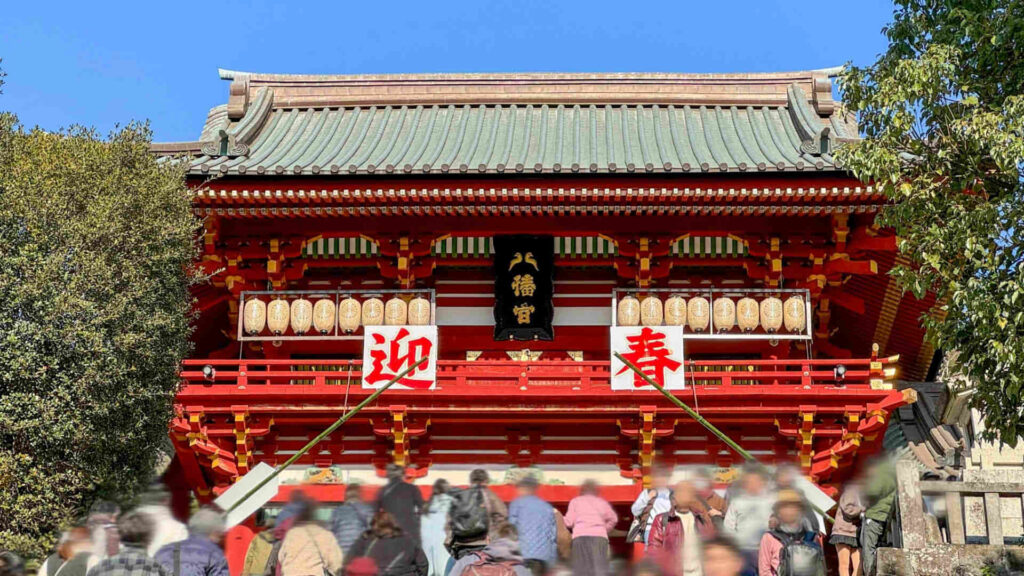
Hatsumode — First Shrine or Temple Visit
Hatsumode is Japan’s first major event of the year, usually performed between January 1–3. People visit a shrine or temple to:
- Pray for good fortune
- Draw omikuji (fortune slips)
- Purchase new protective charms (omamori)
- Return old charms to be ceremonially burned
What Travelers Will Notice
- Massive crowds at famous shrines (Meiji Jingu, Sensoji, Fushimi Inari).
- Special New Year’s decorations, such as kadomatsu (pine and bamboo arrangements) and shimenawa (sacred ropes).
- Vibrant festival stalls selling food like amazake (sweet rice drink), taiyaki, yakisoba, and more.
Tips for a Smooth Hatsumode
Two bows → two claps → one bow (Shinto shrines).
Go early morning or late evening to avoid peak crowds.
Smaller neighborhood shrines provide an equally meaningful, more peaceful experience.
Follow shrine etiquette:
- Purify hands and mouth at the temizuya.
- Offer a coin.
- Two bows → two claps → one bow (Shinto shrines).
Osechi Ryori (New Year’s Food)
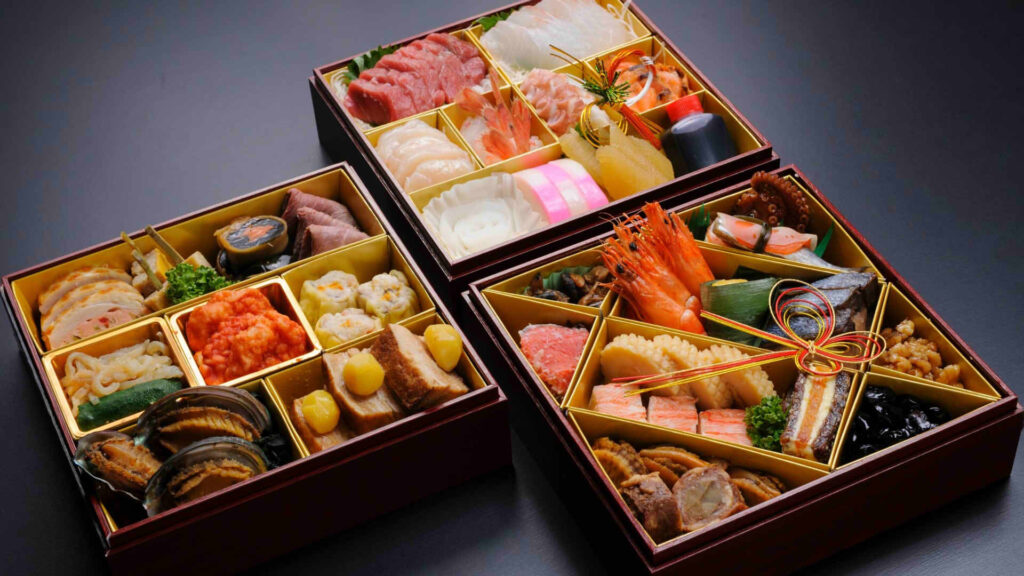
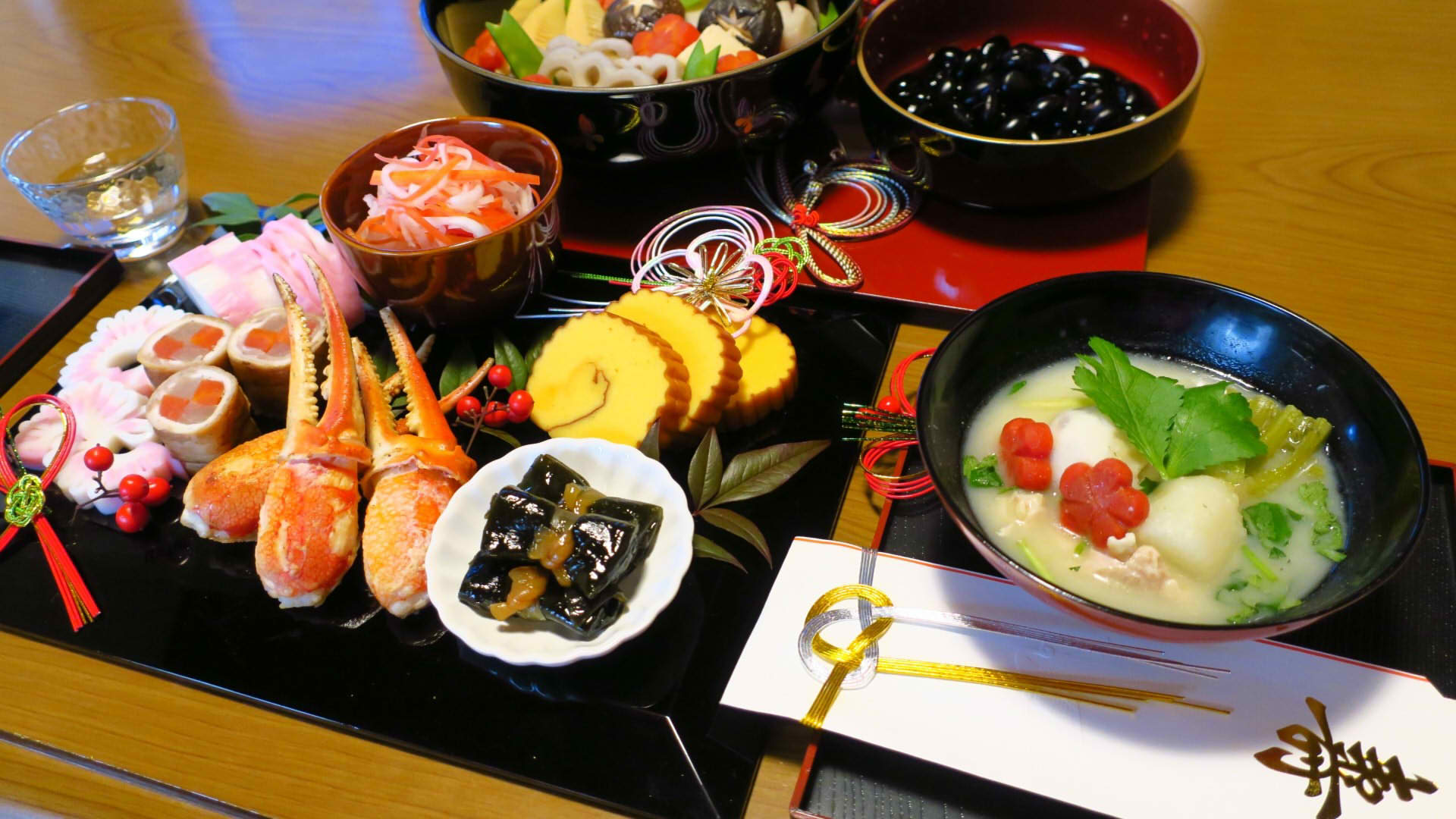
Osechi is one of the most visually iconic parts of Oshogatsu. These foods, served in stacked lacquer boxes (jubako), each have symbolic meanings.
Examples of Osechi Dishes and Their Meanings
- Black soybeans (Kuromame): Good health and diligence
- Kazunoko (Herring roe): Fertility and prosperity
- Kurikinton (Sweet chestnut paste): Wealth and fortune (gold color)
- Tazukuri (Candied sardines): Good harvest
- Datemaki (Sweet rolled omelet): Knowledge and learning
Where Travelers Can Try Osechi
- High-end hotels and ryokan
- Department stores (Isetan, Takashimaya, Hankyu)
- Specialty restaurants that offer limited New Year sets
- Convenience stores (simplified versions)
Traveler Tip:
Many osechi boxes are pre-ordered months in advance, but department stores usually sell some ready-made boxes on December 31.
Hatsuhinode (First Sunrise)
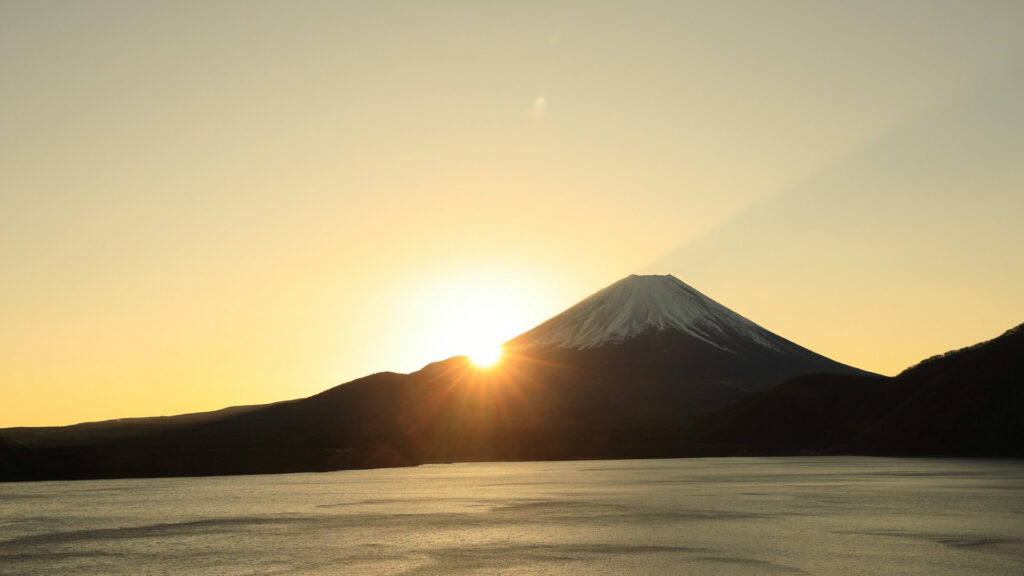
Welcoming the first sunrise of the year carries deep spiritual meaning—renewal, hope, and appreciation of nature.
Best Places to Watch the First Sunrise
- Tokyo: Tokyo Skytree special viewing event, Odaiba waterfront
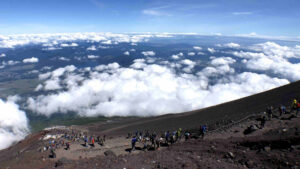
- Mt. Fuji / Shizuoka coast: Breathtaking views of the sun rising near Fuji’s silhouette
- Kyoto: Mount Daimonji and Arashiyama
- Hokkaido: Eastern coastlines (earliest sunrise in Japan)
Traveler Tip:
Expect freezing temperatures and crowds. Bring warm clothing, gloves, and possibly a portable seat or blanket if waiting outdoors.
Things to Know Before Traveling Around New Year
Closures and Limited Hours
Many businesses—including restaurants, museums, and shops—close from Dec 31 to Jan 1 (sometimes Jan 2–3).
- Convenience stores stay open
- Department stores usually open from Jan 2 for “Fukubukuro” (lucky bags)
Transportation
- Trains run on altered schedules
- Some regions provide special overnight service for New Year’s Eve
- Shinkansen and major train lines can be crowded with people visiting family
Cash & ATMs
- Some ATMs and bank services are limited
- Convenience store ATMs usually work, but international cards may be inconsistent
Weather
Expect cold, especially before sunrise. Northern regions can experience heavy snowfall.
Accommodation
New Year is extremely popular—book months in advance, especially in Tokyo, Kyoto, and hot spring regions.
Recommended New Year Spots Across Japan
Tokyo
- Meiji Shrine (Meiji Jingu): Japan’s busiest shrine—millions visit over three days
- Sensoji Temple: Historical atmosphere, great food stalls, lively crowds
- Zojoji Temple: Near Tokyo Tower, great for photos on New Year’s Eve
Kyoto
- Kiyomizu-dera: Stunning hillside views, atmospheric night visits
- Fushimi Inari Taisha: Early morning Hatsumode through the torii gates is unforgettable
Osaka
- Sumiyoshi Taisha: One of Japan’s oldest shrines; vibrant, traditional celebrations
Fukuoka
- Dazaifu Tenmangu: Dedicated to the deity of learning; popular among students and families
Hatsuhinode (First Sunrise) Spots
- Mount Fuji viewpoints (Lake Kawaguchi, Miho no Matsubara)
- Tokyo Skytree New Year event
- Chiba / Kanagawa coastlines
- Hokkaido’s eastern cape (one of Japan’s earliest sunrise points)
-
 New Year's Operations for Shinkansen Nozomi
-
Japanese Hanami: Enjoying Cherry Blossoms, a Spring Tradition
Related Articles
-
Mt. Fuji Climbing 2025 Season: Online Reservations for the Yoshida Trail Start!
-
Daikoku Parking Area and Overtourism: Challenges Facing the Mecca for Car Enthusiasts
-
Expo 2025 Osaka, Kansai, Japan
-
Japanese Hanami: Enjoying Cherry Blossoms, a Spring Tradition
-
New Year’s Operations for Shinkansen Nozomi
-
Meeting Held to Address Overtourism in Kamakura and Enoshima Areas
-
Tori no Ichi: Japan’s Traditional Festival of Fortune and Prosperity
-
Regulations of Shibuya and Shinjuku wards during Halloween